


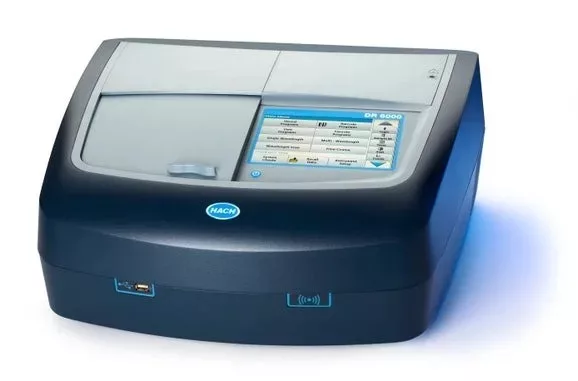

Spectrophotometer: Precision Light Absorption Analysis for Science and Industry
Spectrophotometer Hach DR6000 is a powerful analytical instrument used to measure how much light a substance absorbs. Found in laboratories worldwide, this tool plays a vital role in chemistry, biology, environmental science, pharmaceuticals, and food testing. Whether you’re analyzing protein concentrations, water quality, or chemical compounds, a spectrophotometer delivers accurate, reproducible results with speed and reliability.
What Is a Spectrophotometer?
A spectrophotometer measures the intensity of light as it passes through a sample. The device determines the absorbance or transmittance of a substance at specific wavelengths. Based on how much light is absorbed, scientists can calculate the concentration of solutes in a solution or analyze molecular properties.
There are two main types:
-
UV-Vis Spectrophotometer (Ultraviolet-Visible): Works in the range of 190–1100 nm.
-
IR Spectrophotometer (Infrared): Operates in the infrared region, often used in organic compound analysis.
How a Spectrophotometer Works
-
Light Source: Emits a broad spectrum of light (UV, visible, or IR).
-
Monochromator: Isolates a specific wavelength of light.
-
Sample Holder (Cuvette): Contains the test sample.
-
Detector: Measures the intensity of light before and after passing through the sample.
-
Readout: Displays the absorbance or transmittance values, which relate to concentration based on Beer-Lambert’s Law.
Key Features of a Spectrophotometer
-
✅ High Measurement Accuracy
Detects even minor absorbance changes with precision, ideal for sensitive testing. -
✅ Wide Wavelength Range
Supports analysis across UV, visible, and sometimes near-infrared regions. -
✅ Digital Interface
Touchscreen displays, intuitive controls, and data storage make operation easy. -
✅ Multiple Sample Modes
Measures solids, liquids, or films using appropriate holders and accessories. -
✅ USB & Cloud Connectivity
Export results for documentation, research, or quality assurance purposes. -
✅ Built-in Calibration & Validation
Ensures ongoing accuracy for regulated environments and audits.
Applications of a Spectrophotometer
| Industry | Application | Use Case |
|---|---|---|
| Pharmaceuticals | Drug quality control | Measure active ingredients in formulations |
| Environmental Science | Water and air quality analysis | Detect pollutants, nitrates, and heavy metals |
| Biotechnology | DNA, RNA, and protein analysis | Quantify nucleic acids and protein purity |
| Chemical Industry | Concentration and reaction monitoring | Track product development or batch quality |
| Food & Beverage | Color and additive measurement | Ensure consistency and legal compliance |
| Clinical Labs | Blood and urine sample testing | Analyze biological fluids for diagnosis |
Benefits of Using a Spectrophotometer
-
🎯 Highly Accurate Results: Reliable absorbance measurements ensure confidence in research and production.
-
⏱ Fast Analysis: Get results within seconds, improving workflow and productivity.
-
📈 Non-Destructive Testing: Preserve sample integrity while analyzing.
-
💾 Data Traceability: Save, export, and analyze data easily for audits and research.
-
🔬 Versatility: Suitable for multiple sample types—solutions, gels, films, or solids.
-
🧪 Small Sample Volumes: Micro-volume cuvettes enable testing with as little as 1–2 µL of sample.
Choosing the Right Spectrophotometer
When selecting a spectrophotometer for your lab or facility, consider the following:
-
Wavelength Range
UV-Vis (190–1100 nm) covers most applications. Choose IR models for advanced organic or polymer analysis. -
Photometric Accuracy
Essential for pharmaceutical, medical, or environmental applications. -
User Interface
Look for touchscreen operation, built-in methods, and software compatibility. -
Sample Size
Determine if your workflow requires micro-volume, standard cuvettes, or high-throughput trays. -
Connectivity & Data Management
Models with USB, Bluetooth, or Wi-Fi make data export and sharing easier. -
Compliance Standards
Check for GLP/GMP-ready features, built-in validation tools, and audit trails.
Spectrophotometer vs. Colorimeter
While both measure light, a spectrophotometer offers broader wavelength coverage and higher precision compared to a colorimeter, which focuses on color intensity in visible light. Spectrophotometers are better for quantitative analysis and more complex research needs.
Conclusion
A spectrophotometer is a cornerstone of modern analytical labs. Its ability to deliver fast, precise, and repeatable measurements makes it indispensable in pharmaceutical quality control, scientific research, food safety, and environmental monitoring.
If you need reliable, high-performance light absorbance analysis, a spectrophotometer is your go-to tool. Choose the right model based on your testing requirements, and enhance your lab’s accuracy, efficiency, and compliance.
Reviews
There are no reviews yet.