


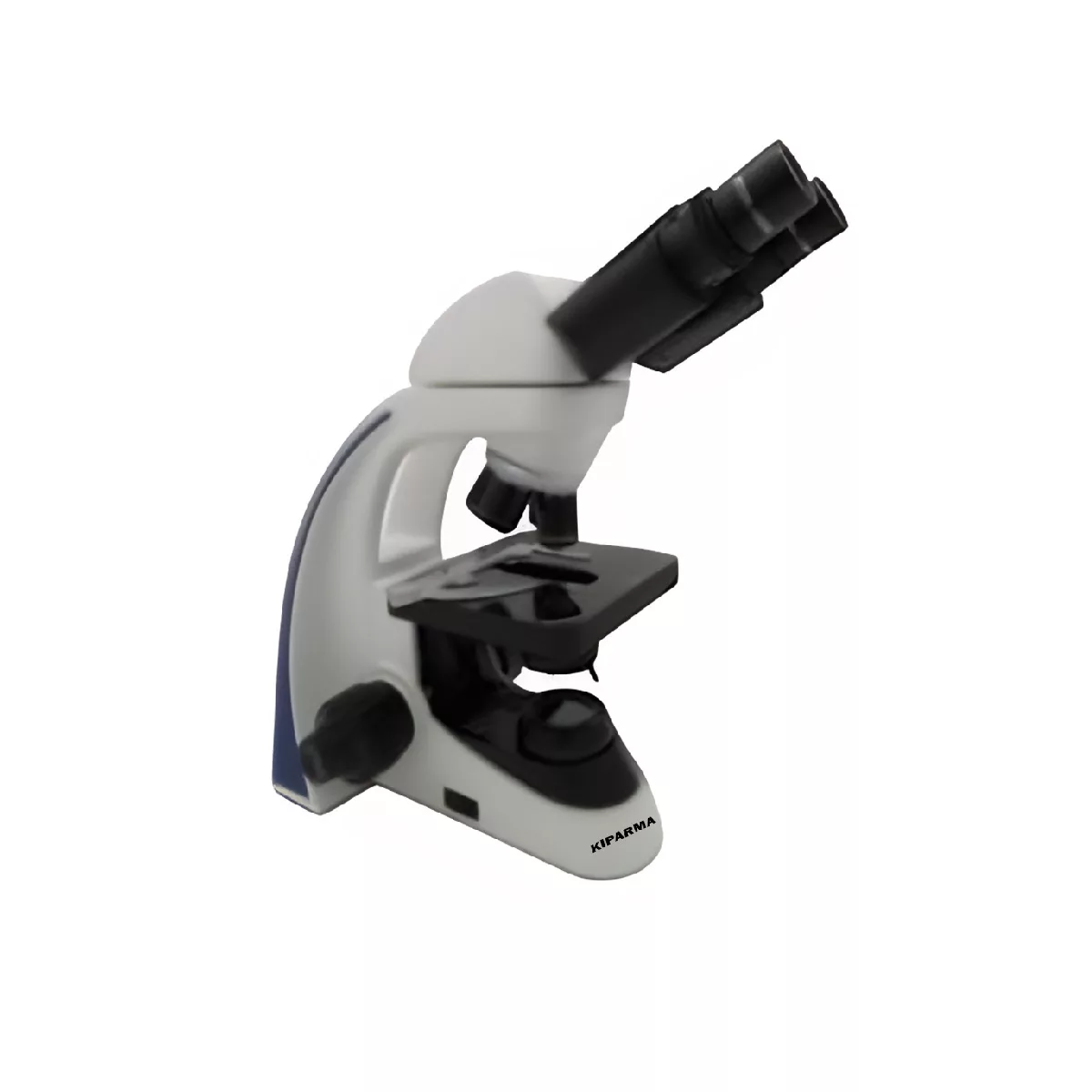

Laboratory Biological Microscope KLM/B/E600: Exploring Precision and Clarity
In the realm of scientific exploration, Laboratory Biological Microscope KLM/B/E600 stand as indispensable tools, facilitating detailed examination and analysis of microscopic structures. These instruments are crucial in fields ranging from biology and medicine to materials science and forensics. In this comprehensive guide, we delve into the intricacies of laboratory biological microscopes, highlighting their functionalities, applications, and key considerations for choosing the right instrument for your needs.
Understanding Laboratory Biological Microscopes
Laboratory biological microscopes are designed specifically for observing biological specimens that are typically transparent or translucent. They utilize transmitted light to illuminate the sample from below, enabling researchers to view cells, tissues, and microorganisms in great detail. These microscopes consist of several essential components:
- Objective Lenses: These lenses are crucial for magnifying the specimen. Laboratory biological microscopes often come with multiple objective lenses (e.g., 4x, 10x, 40x, and 100x), allowing for varying levels of magnification.
- Eyepiece or Ocular Lens: Positioned at the top of the microscope, the eyepiece further magnifies the image produced by the objective lens.
- Stage and Stage Clips: The stage holds the specimen in place, while stage clips secure it for steady observation.
- Condenser: This lens system focuses light onto the specimen to enhance image clarity.
Applications of Laboratory Biological Microscopes
Laboratory biological microscopes find application across diverse scientific disciplines:
- Biological Research: Studying cellular structures, tissues, and microorganisms.
- Medical Diagnostics: Identifying pathogens and abnormalities in clinical specimens.
- Education: Teaching students about cellular biology and microbiology.
- Quality Control: Inspecting materials at a microscopic level in manufacturing processes.
Key Features to Consider
When selecting a laboratory biological microscope, several factors influence the choice:
- Magnification Range: Consider the range of magnifications needed for your applications. Higher magnifications are essential for detailed cellular and sub-cellular observations.
- Optical Quality: Superior optics ensure clear and crisp images, reducing distortion and improving resolution.
- Lighting Options: LED illumination is energy-efficient and provides consistent lighting, whereas halogen bulbs offer brighter illumination but generate more heat.
- Digital Imaging Capabilities: Some microscopes offer digital cameras for capturing and documenting images, facilitating research and analysis.
Conclusion
Laboratory biological microscopes are indispensable tools for scientific discovery and analysis, offering unparalleled insights into the microscopic world. By understanding their functionalities, applications, and key features, researchers and educators can make informed decisions when selecting the ideal microscope for their needs. Implementing SEO techniques ensures that this valuable information reaches its intended audience effectively, enhancing visibility and engagement within the scientific community and beyond.
Reviews
There are no reviews yet.