Turbidity Meter – Precision Measurement for Water Quality Monitoring
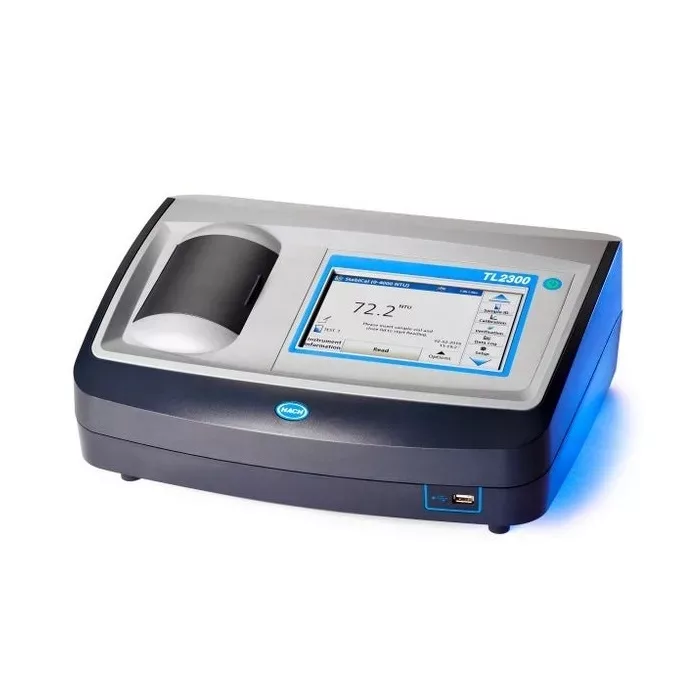
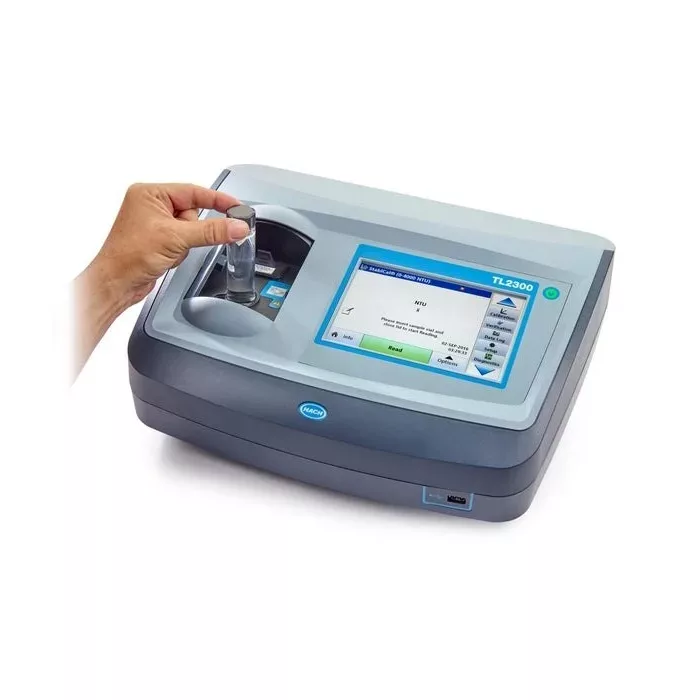
Turbidity Meter Hach TL2300 is a crucial analytical instrument used to measure the cloudiness or haziness of a fluid caused by suspended solids. Whether in environmental labs, water treatment plants, or industrial processes, turbidity meters provide accurate, real-time data to ensure compliance with regulatory standards and maintain product quality. By quantifying turbidity in nephelometric turbidity units (NTU), these devices offer critical insights into contamination, filtration efficiency, and process control.
What Is a Turbidity Meter?
A turbidity meter (or turbidimeter) measures the scattering of light as it passes through a liquid sample. The amount of light scattered by suspended particles correlates to the turbidity level — an important indicator of water purity and clarity.
There are two main types:
Nephelometric Turbidity Meters – Measure light scattered at 90°, ideal for low turbidity (0–1000 NTU).
Ratio/Backscatter Meters – Capture scattered light at multiple angles, suitable for higher turbidity or colored liquids.
Why Use a Turbidity Meter?
✅ Regulatory Compliance – Meets EPA, ISO, and WHO standards for drinking water and effluent discharge.
✅ Process Optimization – Tracks filtration performance in real time.
✅ Contamination Detection – Instantly detects changes in suspended solids.
✅ Quality Control – Ensures clarity in beverages, chemicals, and pharmaceuticals.
✅ Environmental Monitoring – Monitors runoff, wastewater, and natural water bodies.
How a Turbidity Meter Works
Light Source Activation – A light beam (usually LED or laser) passes through the sample.
Particle Scattering – Suspended particles scatter the incoming light in various directions.
Detector Measurement – Photodetectors measure light intensity at specific angles (typically 90°).
Signal Conversion – The meter converts scattered light intensity into NTU (Nephelometric Turbidity Units).
Result Display – Digital screen or data output shows turbidity in real time.
Key Features of a Modern Turbidity Meter
Feature
Description
High-Accuracy Optics
LED or laser technology ensures stable and precise readings.
Auto-Ranging Measurement
Automatically adjusts between low and high turbidity levels.
Color Compensation
Minimizes color interference in samples.
User-Friendly Interface
Touchscreen or button interface with guided calibration.
Data Logging & Export
Built-in memory and USB/Bluetooth connectivity.
Portable or Benchtop Options
Choose the form that fits your lab or field needs.
IP67 Rated (Portable)
Dustproof and waterproof for rugged environments.
Industries and Applications
Industry
Application Examples
Benefit
Water & Wastewater
Drinking water, sewage, effluent
Regulatory compliance
Environmental Monitoring
Rivers, lakes, stormwater runoff
Pollution tracking
Food & Beverage
Juice, wine, beer, dairy
Product clarity, filtration check
Pharmaceutical
Injectable solutions, process water
Sterility and quality assurance
Chemicals & Cosmetics
Liquid soaps, emulsions, reagents
Visual consistency, batch QC
Power Plants
Boiler feed water
Prevents scale and corrosion
Benefits of Using a Turbidity Meter
🌊 Real-Time Monitoring – Respond quickly to process deviations or contamination.
🧪 Low Detection Limits – Ideal for high-purity water applications.
⚙️ Simple Calibration – Uses Formazin or sealed calibration standards.
🏞 Field & Lab Flexibility – Available in compact, rugged models for outdoor use.
📈 Data Traceability – Store results with time stamps and GPS (in advanced models).
🧼 Easy Maintenance – Wipe-clean sample cells and diagnostics for sensor health.
Choosing the Right Turbidity Meter
Turbidity Range – Select a meter based on the expected NTU levels in your samples.
Environment – Choose portable meters for field work; benchtop models for labs.
Regulatory Needs – Ensure your meter complies with standards like EPA 180.1 or ISO 7027.
Sample Type – Consider sample color, temperature, and composition.
Data Requirements – Look for models with built-in memory, Bluetooth, or USB for exporting results.
Summary
A Turbidity Meter is a vital instrument for monitoring water clarity and suspended solids across numerous industries. With advanced optics, user-friendly interfaces, and accurate readings from 0 to over 4000 NTU, these meters help ensure clean water, regulatory compliance, and efficient filtration systems. From drinking water plants to environmental fieldwork, turbidity measurement is a cornerstone of quality control and environmental safety.




Reviews
There are no reviews yet.