


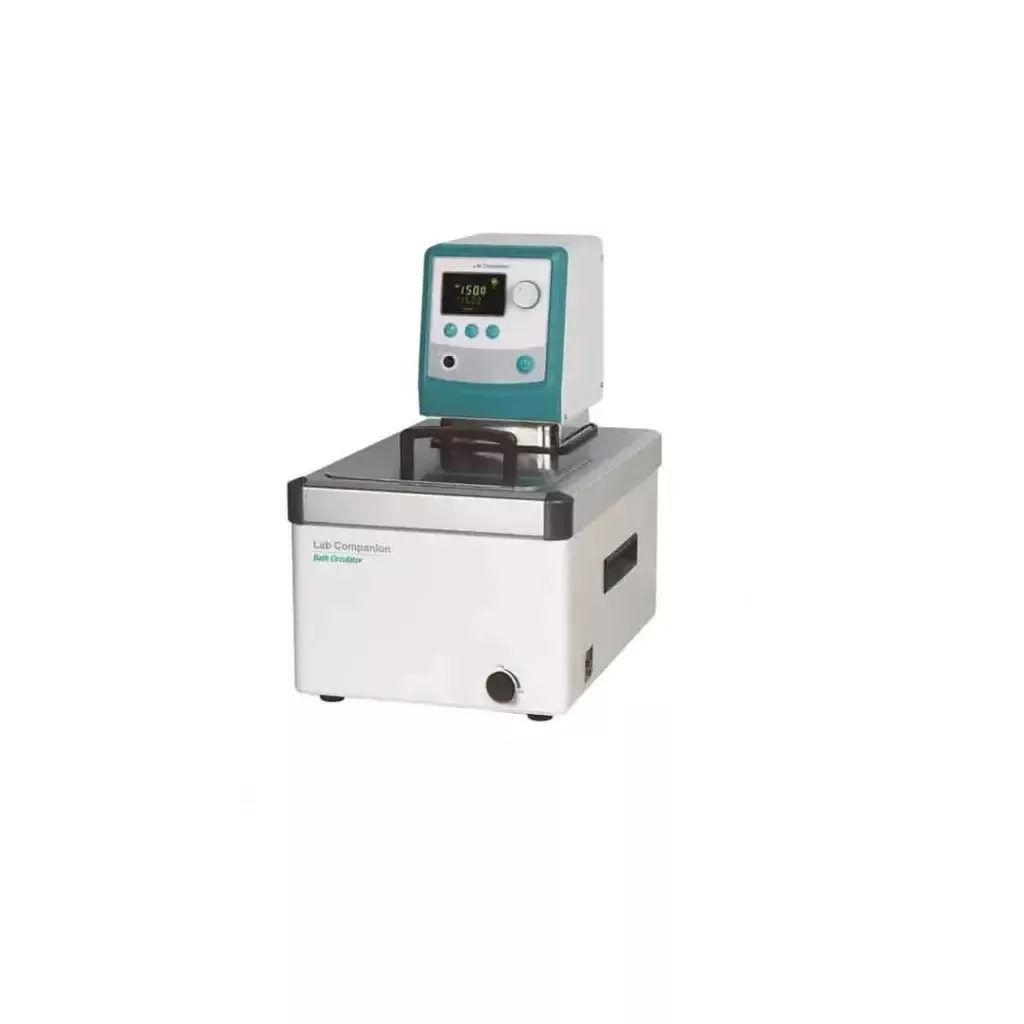

Water Bath: Controlled, Uniform, and Reliable Temperature Regulation for Laboratory Applications
The Laboratory Water Bath Scilogex CW3-10 is an essential heating instrument designed to provide consistent, uniform, and precise temperature control for a wide range of scientific and industrial applications. Commonly used in chemical analysis, microbiology, molecular biology, pharmaceuticals, quality control, and food testing, water baths offer gentle, stable heating without direct exposure to flame or dry heat. Known for their accuracy, safety, and versatility, laboratory water baths are indispensable for incubation, thawing, warming reagents, and conducting temperature-sensitive reactions.
In this comprehensive guide, we explore what a laboratory water bath is, its key features, applications, and the advantages it brings to routine and advanced laboratory workflows.
What is a Laboratory Water Bath?
A laboratory water bath is a temperature-controlled heating device that uses water as the heat-transfer medium to maintain samples at a stable and uniform temperature. Typical components include:
-
A stainless steel chamber for holding water
-
Digital or analog temperature control system
-
Heating element to bring water to the desired temperature
-
Optional lid to reduce evaporation and heat loss
-
Racks or baskets for holding tubes, flasks, and containers
Water baths are preferred for heating delicate samples, enzymes, cultures, or chemicals that cannot tolerate direct heat, rapid temperature changes, or open flames.
Key Features of a Laboratory Water Bath
1. Precise Temperature Control
Modern water baths offer digital temperature controllers capable of maintaining temperatures with high accuracy—often within ±0.1°C. This precision ensures:
-
Reliable and reproducible results
-
Stable conditions for sensitive biological reactions
-
Minimization of thermal fluctuations
2. Uniform Heat Distribution
The water medium naturally provides even heat distribution, eliminating hot spots and ensuring all samples reach the same temperature.
3. Multiple Bath Types
Water baths come in several configurations to suit specific workflows:
-
Standard Water Baths – for routine heating
-
Shaking Water Baths – for agitation and mixing
-
Circulating Water Baths – for enhanced temperature uniformity
-
Refrigerated Water Baths – for cooling or low-temperature incubation
This range makes them adaptable to many scientific environments.
4. User-Friendly Controls
Many modern units feature:
-
Digital displays
-
Programmable timers
-
Over-temperature alarms
-
Automatic shutoff functions
These enhance ease of use and safety.
5. Durable Construction
Stainless steel interiors ensure chemical resistance, corrosion protection, and long-term durability. External materials are often insulated to maintain temperature and improve energy efficiency.
6. Safety Features
Laboratory water baths include:
-
Overheat protection
-
Low-water-level shutdown
-
Anti-boil systems
-
Non-slip sample holders
These safeguards protect samples and prolong instrument life.
7. Versatile Sample Compatibility
Suitable for tubes, beakers, flasks, vials, reaction vessels, microplates, and even culture bottles, making water baths highly adaptable.
Applications of Laboratory Water Baths
1. Life Sciences & Microbiology
Water baths are essential for:
-
Incubating cultures
-
Warming media
-
Maintaining enzyme reactions
-
Performing hybridization studies
Their gentle heating protects sensitive biological samples.
2. Chemical & Analytical Laboratories
Used for:
-
Heating reagents
-
Sample digestion
-
Melting point preparation
-
Equilibrating temperature-sensitive solutions
They provide consistent heating for accurate analysis.
3. Pharmaceutical & Clinical Labs
Water baths support:
-
Thawing frozen samples
-
Preparing blood and serum samples
-
Conducting stability studies
-
Dissolution testing (in some configurations)
High temperature stability is vital for drug quality testing.
4. Food & Beverage Testing
Ideal for:
-
Microbial incubation
-
Fat analysis
-
Quality control assays
-
Sample homogenization via heating
Water baths help ensure compliance with food safety standards.
5. Molecular Biology & Biotechnology
Commonly used for:
-
DNA, RNA, and protein sample incubation
-
Enzyme activation and inactivation
-
Denaturation experiments
-
Maintaining constant reaction temperatures
Precision is crucial for reproducibility in molecular assays.
Benefits of Using a Laboratory Water Bath
1. Gentle and Uniform Heating
The water medium prevents scorching, overheating, and sample degradation, making it suitable for heat-sensitive materials.
2. Highly Accurate Temperature Control
Maintains stable conditions required for enzymatic reactions, culture growth, and analytical testing.
3. Versatility Across Disciplines
Compatible with biological, chemical, industrial, and educational laboratories, supporting a broad range of applications.
4. Safe and Reliable Operation
Compared to open flames or dry heating, water baths minimize fire hazards and protect delicate samples.
5. Low Maintenance and Long Lifespan
With proper cleaning and water replacement, water baths offer years of dependable performance.
How to Choose the Right Laboratory Water Bath
1. Temperature Range
Consider whether you need standard heating, sub-ambient cooling, or high-precision incubations.
2. Bath Capacity
Select a size that accommodates your workflow—options range from small benchtop units to large-capacity industrial baths.
3. Type of Water Bath
Choose based on application:
-
Routine heating → standard bath
-
Mixing + heating → shaking bath
-
Ultra-uniform temperature → circulating bath
-
Cooling + heating → refrigerated bath
4. Temperature Uniformity & Stability
Higher precision applications (molecular biology, pharmaceutical testing) require advanced temperature regulation.
5. Safety & Compliance Features
Look for:
-
Overheat protection
-
Auto-shutdown
-
Splash-proof design
-
Chemical-resistant construction
6. Ease of Cleaning & Maintenance
Removable lids, smooth tank interiors, and corrosion-resistant materials improve hygiene and usability.
Conclusion
A laboratory water bath is a fundamental tool for controlled and uniform sample heating across a vast range of scientific fields. Its ability to maintain precise temperatures, accommodate multiple vessel types, and support sensitive biological and chemical reactions makes it indispensable in modern laboratories. With features such as programmable controls, safety mechanisms, and enhanced temperature stability, water baths provide dependable, efficient, and reproducible heating essential for high-quality experimental outcomes.
Reviews
There are no reviews yet.